Dell Mouse Driver: Effortless Win 11 32-Bit Install
When it comes to ensuring your peripherals function optimally, a correctly installed driver is paramount. For users of Windows 11 32-bit operating systems encountering issues with their Dell mouse, the process of installing the right Dell mouse install driver for Windows 11 32 bit might seem daunting. However, with a methodical approach, this task can be achieved with remarkable ease, restoring full functionality and precision to your pointing device. This guide will walk you through the essential steps, from identifying your needs to successfully deploying the driver, ensuring a smooth and interruption-free experience with your Dell mouse.
The prevalence of 32-bit operating systems, though less common than their 64-bit counterparts in modern usage, still exists, particularly on older hardware or specialized systems. Windows 11, while primarily designed for 64-bit architecture, does support 32-bit installations, meaning those who have opted for or are maintaining such a system can still utilize a vast array of hardware, including their trusted Dell mice. The key to unlocking their full potential lies in securing the correct driver package. Without the appropriate driver, your mouse might exhibit erratic behavior, limited functionality (such as scroll wheel issues or button malfunctions), or simply fail to be recognized by the operating system at all.
Understanding Your Dell Mouse Model
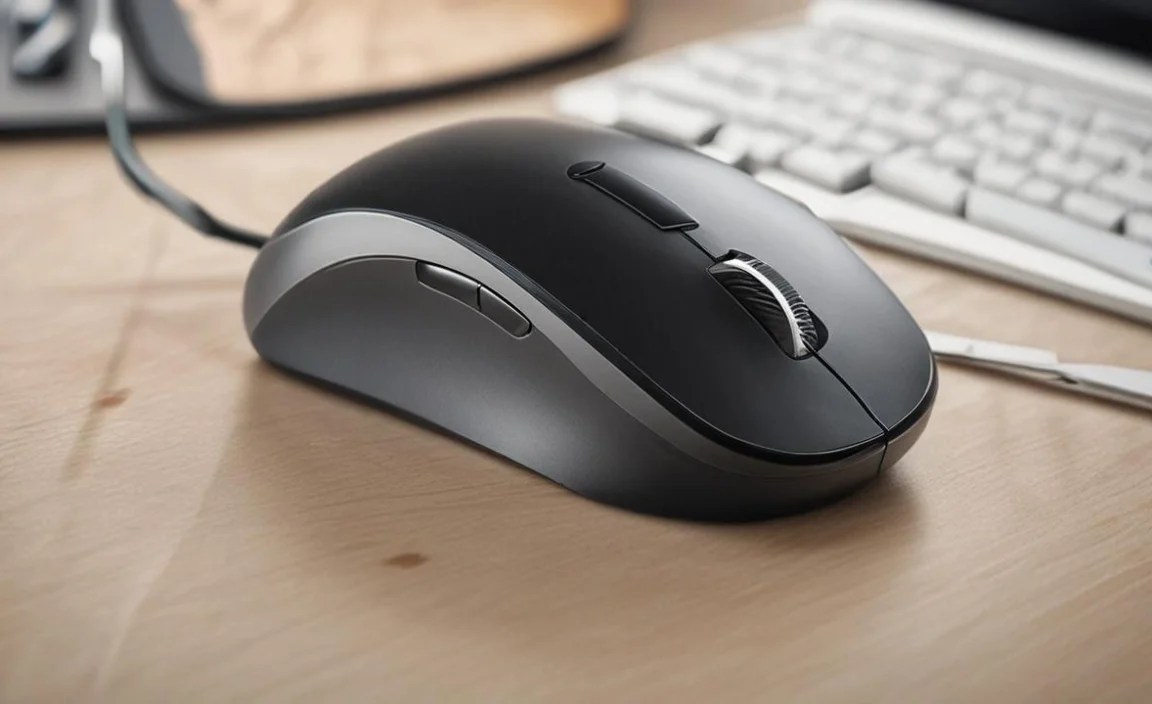
Before embarking on the driver hunt, it’s crucial to identify the specific model of your Dell mouse. This information is usually found on the underside of the mouse itself, often printed on a sticker or molded into the plastic. Look for terms like Latitude, Inspiron, Vostro, or specific model numbers like “Dell MS116” or “Dell WM126.” Knowing your model number is the most direct way to ensure you download the correct driver. Generic drivers might offer basic functionality, but for advanced features like customizable button assignments or specific sensitivity settings (if your mouse supports them), the manufacturer-provided driver is essential.
Navigating the Dell Support Website for Your Driver
Your primary resource for obtaining the official Dell mouse install driver for Windows 11 32 bit will be the Dell support website. This is the most reliable place to find legitimate, virus-free driver software.
1. Access the Dell Support Page: Open your web browser and navigate to dell.com/support.
2. Identify Your Product: You’ll typically have a few options to identify your product.
Service Tag/Express Service Code: If you have a Dell computer, you can enter its service tag or express service code. This will automatically detect your system and often lead you to drivers compatible with its original configuration, which might include a bundled Dell mouse.
Product Category: You can also browse by product category. Select “Mice & Keyboards” or similar.
Search by Model: If you know your specific mouse model number (e.g., “Dell MS116”), you can directly enter it into the search bar.
3. Locate Drivers & Downloads: Once your product is identified, look for a section labeled “Drivers & Downloads” or “Support.
4. Filter by Operating System: This is a critical step. You will need to specify your operating system. Ensure you select “Windows 11” and, most importantly, the “32-bit” version. Most websites will present a dropdown or a series of options for operating system and architecture. Be meticulous here; selecting the wrong architecture will result in a driver that won’t install or function correctly.
5. Find the Mouse Driver: Scroll through the list of available drivers. You are generally looking for a driver categorized under “Input,” “Mouse,” “Pointing Devices,” or similar. Some Dell mice might not require a separate driver installation and will function with Windows’ built-in drivers, especially if they are basic plug-and-play models. However, other models, particularly wireless ones or those with advanced features, will have specific driver packages.
6. Download the Driver: Once you’ve located the appropriate driver, click the “Download” button. The file will likely be an executable (.exe) file.
Installing the Dell Mouse Driver on Windows 11 (32-Bit)
With the driver file downloaded, the installation process is usually straightforward.
1. Locate the Downloaded File: Navigate to your Downloads folder or wherever you saved the driver file.
2. Run the Installer as Administrator: Right-click on the downloaded .exe file. From the context menu, select “Run as administrator.” This is important to ensure the installer has the necessary permissions to make system changes.
3. Follow On-Screen Instructions: The installer will launch. Most Dell driver installers are user-friendly and will guide you through the process with a series of prompts. Accept the license agreement, choose the installation location (the default is usually fine), and let the installation complete. You may be prompted to restart your computer.
4. Restart Your Computer: It’s almost always recommended to restart your computer after installing a new driver. This allows the system to load the new driver correctly and apply any necessary changes.
Troubleshooting Common Issues with the Dell Mouse Install Driver for Windows 11 32 Bit

Even with careful installation, you might encounter minor hiccups. Here are some common issues and their solutions:
Driver Not Installing:
Incorrect OS/Architecture: Double-check that you downloaded the driver specifically for Windows 11 32-bit.
Corrupted Download: Try downloading the driver file again.
Antivirus Interference: Temporarily disable your antivirus software during the installation process and re-enable it afterward.
User Account Control (UAC) Prompts: Ensure you are running the installer as an administrator.
Mouse Still Not Working Correctly:
Check Device Manager: Press `Windows Key + X` and select “Device Manager.” Expand “Mice and other pointing devices.” Look for your Dell mouse. If there’s a yellow exclamation mark next to it, it indicates a driver problem. Right-click on the device and select “Update driver.” You can then try searching automatically for drivers or browsing your computer for the driver you downloaded.
Uninstall and Reinstall: In Device Manager, right-click your mouse and select “Uninstall device.” Then, disconnect and reconnect your mouse and let Windows try to detect it. If it still doesn’t work, try the manual driver installation process again.
Try a Different USB Port: For wired mice, a faulty USB port can cause issues. For wireless mice, interference might be a factor.
By following these steps, you should be able to easily get your Dell mouse working flawlessly on your Windows 11 32-bit system. The Dell mouse install driver for Windows 11 32 bit is crucial for unlocking the full functionality and responsive performance your peripheral is designed to deliver, ensuring a seamless computing experience.