Dell Mouse Driver for Linux 64-bit: Effortless
Dell Mouse Driver for Linux 64-bit: Effortless
For many Linux users, getting hardware to work seamlessly with their operating system is a cornerstone of the computing experience. While Linux is renowned for its robust driver support, sometimes specific peripherals, like a Dell mouse, might require a little extra attention to ensure full functionality. This is particularly true when aiming for an “effortless” setup of your Dell mouse driver installer for Linux 64 bit. While many modern mice are plug-and-play, ensuring all advanced features, precise tracking, and custom button assignments are available often means seeking out the correct driver. This guide will navigate you through the process, aiming to make the installation and configuration of your Dell mouse on a 64-bit Linux system as straightforward as possible.
The journey typically begins with identifying your specific Dell mouse model. Dell offers a wide range of mice, from basic optical models to advanced gaming or productivity-focused peripherals with multiple programmable buttons and scroll wheels with special features. Knowing your model is crucial, as different mice might have slightly different driver requirements or benefits from specific configurations. You can usually find the model number on the underside of the mouse itself.
Once you have your model identified, the next step is to check Linux’s built-in support. Most mainstream Linux distributions, such as Ubuntu, Fedora, and Debian, come with a comprehensive kernel that includes drivers for a vast array of hardware. Often, your Dell mouse will work out of the box with basic functionality. However, if you’re looking to unlock features like adaptive scrolling, custom button mapping, or enhanced DPI settings, you’ll likely need to explore driver-specific solutions.
Finding the Right Dell Mouse Driver Installer for Linux 64-bit
Locating a dedicated Dell mouse driver installer for Linux 64 bit can sometimes feel like a quest. Dell’s official support website is often geared towards Windows drivers, and finding Linux-specific downloads directly can be challenging. However, this is where the open-source community and the Linux kernel itself shine.
Many advanced mouse features are managed through the Linux Input subsystem. This means that generic drivers within the kernel often handle the core functionality. For customization, tools like `xinput` (for X11 environments) or the equivalent settings within Wayland compositors are your primary allies. These tools allow you to query your mouse’s capabilities and modify parameters on the fly.
However, for specific Dell mice with highly advanced features, there might be community-developed utilities or scripts that offer a more integrated experience. Searching forums dedicated to your Linux distribution (e.g., Ask Ubuntu, Fedora Project Forums) or general Linux hardware forums for your specific Dell mouse model is a good starting point. Often, other users will have already faced the same challenge and shared their solutions.
Installation and Configuration Process
Assuming you’ve identified a potential driver or configuration utility, the installation process can vary.
Kernel Modules: For many mice, the drivers are already part of the Linux kernel. You might just need to ensure you have the necessary kernel modules loaded. Commands like `lsmod` can show loaded modules, and `modprobe ` can load them manually if needed.
User-Space Utilities: If you find dedicated software, the installation will likely involve compiling from source or installing a pre-compiled package. For package installations, your distribution’s package manager (e.g., `apt` for Debian/Ubuntu, `dnf` for Fedora) is the easiest route. You might need to add a Personal Package Archive (PPA) or a third-party repository. If you need to compile from source, you’ll typically follow a `configure`, `make`, `make install` pattern, ensuring you have development tools installed (`build-essential` or similar packages).
Configuration Tools: Once the driver or utility is installed, you’ll use configuration tools to customize your mouse.
Utilizing `xinput` for Advanced Settings
For graphically intensive environments like X11, the `xinput` command-line utility is incredibly powerful. You can list your input devices with `xinput list`. Find your Dell mouse in the list, and then you can query its properties using `xinput list-props `. This will show you all the configurable parameters, such as pointer acceleration, button mappings, and sometimes even specific features if the driver supports them. You can then change these properties using `xinput set-prop `. For persistent changes, you’ll typically add these `xinput` commands to a startup script.
Exploring Distribution-Specific Tools
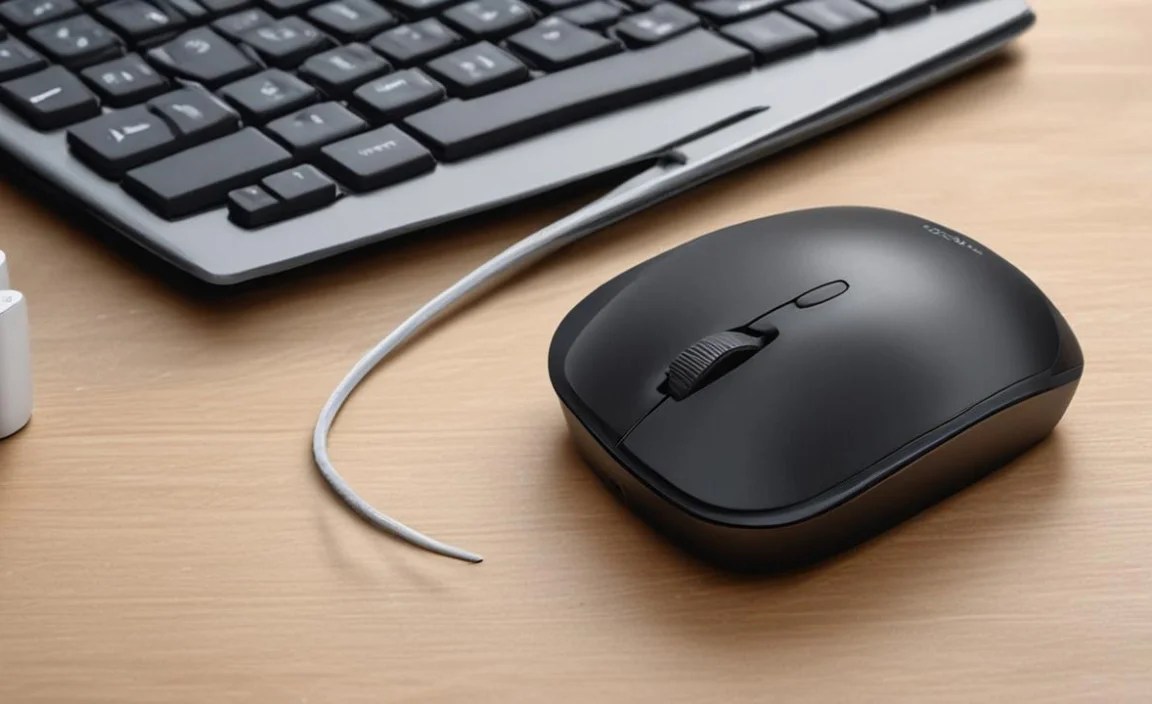
Many Linux distributions offer graphical tools for mouse and touchpad configuration. These are usually found within your system’s “Settings” or “Control Center.” While they might not have explicit “Dell Mouse Driver” options, they often provide access to advanced pointer speed, acceleration profiles, and button remapping that leverage the underlying kernel drivers. Explore these settings first, as they offer the most integrated user experience.
Troubleshooting Common Issues
Even with a solid driver, you might encounter hiccups.
Unrecognized Buttons: If extra buttons aren’t working, check if they’re mapped to any common multimedia functions or if they require specific software configuration. `xbindkeys` is a popular tool for mapping keys and mouse buttons to commands.
Inconsistent Tracking: Ensure your polling rate and DPI settings are appropriate for your usage. Sometimes, software can interfere with smooth tracking.
Dual Booting Issues: If you dual-boot with Windows, ensure that any changes made in Windows‘ proprietary software are not locking the mouse into a certain mode that Linux cannot override.
In conclusion, achieving effortless functionality for your Dell mouse on a Linux 64-bit system is largely achievable through a combination of robust kernel support, readily available community tools, and a bit of system configuration. While a dedicated Dell mouse driver installer for Linux 64 bit might not be a single downloadable file in the traditional sense, by understanding how Linux handles input devices and utilizing the available command-line and graphical configuration utilities, you can ensure your Dell mouse performs exactly as you need it to, every time.