
Canon Mouse Ubuntu Driver: Easy Install Guide
Getting your Canon mouse to work seamlessly with your Ubuntu operating system might seem like a technical hurdle, but often, it’s a far simpler process than you imagine. While Ubuntu boasts excellent hardware compatibility, some peripherals, especially those from manufacturers that don’t prioritize Linux support, can require a little extra attention. This guide will walk you through the essential steps and considerations for installing a Canon mouse driver for Ubuntu 2025, ensuring your pointing device functions flawlessly.
Understanding Ubuntu’s Hardware Recognition
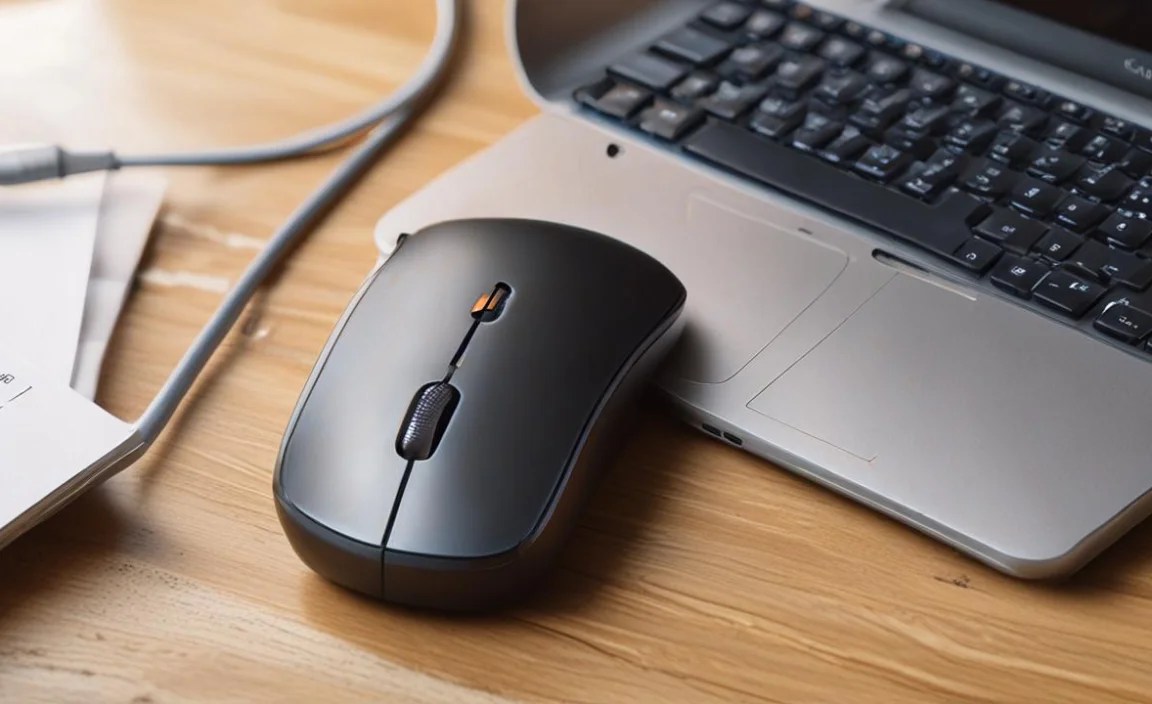
Ubuntu, and Linux in general, has a reputation for strong plug-and-play capabilities. For most standard USB mice, including many Canon models, the kernel will automatically detect and load generic drivers upon connection. This means that in many cases, you might not need to install any specific driver at all. Simply plug in your Canon mouse via USB, and Ubuntu should recognize it and make it functional immediately. However, if you’re experiencing issues, or if your mouse has advanced features like programmable buttons or scroll wheel adjustments that aren’t working, then a dedicated driver might be necessary.
When Might You Need a Specific Canon Mouse Driver for Ubuntu?

Several scenarios might prompt you to seek out a specific driver, even for a brand like Canon:
Advanced Features: If your Canon mouse boasts extra buttons for specific functions (forward/back, DPI adjustment, application switching), these might not be recognized by default without a specific driver or configuration tool.
Inconsistent Performance: Experiencing jerky cursor movement, unresponsive clicks, or a scroll wheel that doesn’t scroll smoothly in all applications can indicate a driver issue.
Older or Less Common Models: While Canon is a well-known brand, some of their older or niche mouse models might not be as well-supported out-of-the-box by the Linux kernel.
Customization Needs: You might want to remap buttons or fine-tune sensitivity beyond what the basic driver offers.
The First Step: Checking for Basic Functionality
Before diving into driver installation, perform a simple test. Connect your Canon mouse to your Ubuntu machine using a USB port. Open a web browser or a text editor and try:
1. Cursor Movement: Does the cursor move smoothly and accurately across the screen?
2. Left Click: Does the left click register consistently?
3. Right Click: Does the right-click context menu appear as expected?
4. Scroll Wheel: Does the scroll wheel function in documents and web pages?
If all these basic functions work, congratulations! You likely don’t need a specific driver. If not, we’ll proceed to explore other options.
Finding a Canon Mouse Driver for Ubuntu 2025
The landscape of Linux drivers can be a bit different from Windows. Manufacturers often don’t provide dedicated Linux drivers on their websites. Instead, support comes from the open-source community or is integrated directly into the Linux kernel.
1. Community-Developed Drivers and Software:
For many peripherals, including mice with advanced features, the Linux community has developed specific software that can control them.
`libratbag` and `piper`: This is a fantastic starting point for many gaming and advanced mice, and it often includes support for a range of Canon models. `libratbag` is a library that allows applications to control input devices, and `piper` is a user-friendly graphical frontend for it.
Installation: Open your Terminal (Ctrl+Alt+T) and enter:
“`bash
sudo apt update
sudo apt install piper
“`
Usage: After installation, search for “Piper” in your application menu and launch it. If your Canon mouse is supported, it should appear in the `piper` window, allowing you to configure DPI settings, button assignments, and other features.
`input-remapper`: Another powerful tool that allows you to remap buttons and create custom shortcuts for almost any input device. This is particularly useful if your mouse buttons aren’t being recognized at all by `piper`.
Installation: You can usually install it via your Software Center or through a PPA. Search for “input-remapper” on your preferred Ubuntu package manager.
Usage: Launch `input-remapper`, select your Canon mouse, and then configure the button mappings and actions as desired.
2. Checking Ubuntu’s Built-in Drivers:
As mentioned, Ubuntu’s kernel is quite robust. For most standard Canon mice, the generic `usbhid` module will handle them. There’s usually no manual installation required for this. If you suspect this module isn’t working correctly, it’s often a sign of a hardware defect or a very obscure compatibility issue that might be better addressed by reporting to the Ubuntu kernel community.
3. Manufacturer Support (Rare for Linux):
It’s highly unlikely that Canon will offer specific downloadable drivers for Ubuntu on their official website for mice. Their focus is predominantly on Windows and macOS. Wasting time searching their support pages for Ubuntu drivers for your mouse is generally not recommended.
Troubleshooting Common Issues
If you’ve tried the above and are still facing problems with your Canon mouse on Ubuntu, consider these troubleshooting steps:
Different USB Port: Try plugging the mouse into a different USB port. Sometimes, a specific port might have issues.
USB Hubs: If you’re using a USB hub, try connecting the mouse directly to your computer. Compatibility issues can sometimes arise with hubs.
Other Devices: Temporarily disconnect other USB devices to rule out any conflicts.
Check for Updates: Ensure your Ubuntu system is up-to-date. Running `sudo apt update && sudo apt upgrade` can sometimes resolve driver-related bugs that have been patched in newer kernel versions.
Consult Online Forums: Ubuntu forums, Ask Ubuntu, and Linux communities are invaluable resources. Search for your specific Canon mouse model along with “Ubuntu” or “Linux” to find discussions and solutions from other users.
Advanced Configuration and Customization
Once your Canon mouse is recognized and functioning, you might want to fine-tune its performance. This is where tools like `piper` and `input-remapper` shine. You can:
Adjust DPI: Fine-tune cursor sensitivity for precision tasks or faster movement.
Remap Buttons: Assign custom functions to extra buttons, like launching specific applications, opening a terminal, or performing complex keyboard shortcuts.
Configure Scroll Speed: Set how quickly the page scrolls when you use the scroll wheel.
By using these community-developed tools in conjunction with Ubuntu’s robust system, you can achieve a highly personalized and efficient experience with your Canon mouse, even without direct manufacturer support.
Conclusion
For most users, getting a Canon mouse working on Ubuntu is as straightforward as plugging it in. When additional configuration or features are needed, community-driven software like `piper` and `input-remapper` provide powerful and user-friendly solutions. By following this easy install guide and troubleshooting common issues, you can ensure your Canon mouse is a reliable and efficient tool for your Ubuntu 2025 setup. The vibrant Linux community often fills the gaps where official manufacturer support is absent, making advanced hardware accessible and functional for everyone.


