Canon Monitor Linux Driver: Effortless Install
Canon Monitor Linux Driver: Effortless Install
Installing a Canon monitor Linux driver might seem daunting, especially when faced with challenges like the “canon monitor missing driver for Linux offline installer.” However, with the right approach, achieving an effortless installation is well within reach. This guide will demystify the process, offering practical steps and solutions for various scenarios.
The primary hurdle for many Linux users when it comes to peripherals like monitors is compatibility. While Linux boasts robust open-source support for a vast array of hardware, specific device drivers, especially for less common or older models, can sometimes require a bit of detective work. This is particularly true when you’re looking for an offline installer, which can be a lifesaver in environments with limited or no internet access.
Understanding Driver Needs and Potential Issues
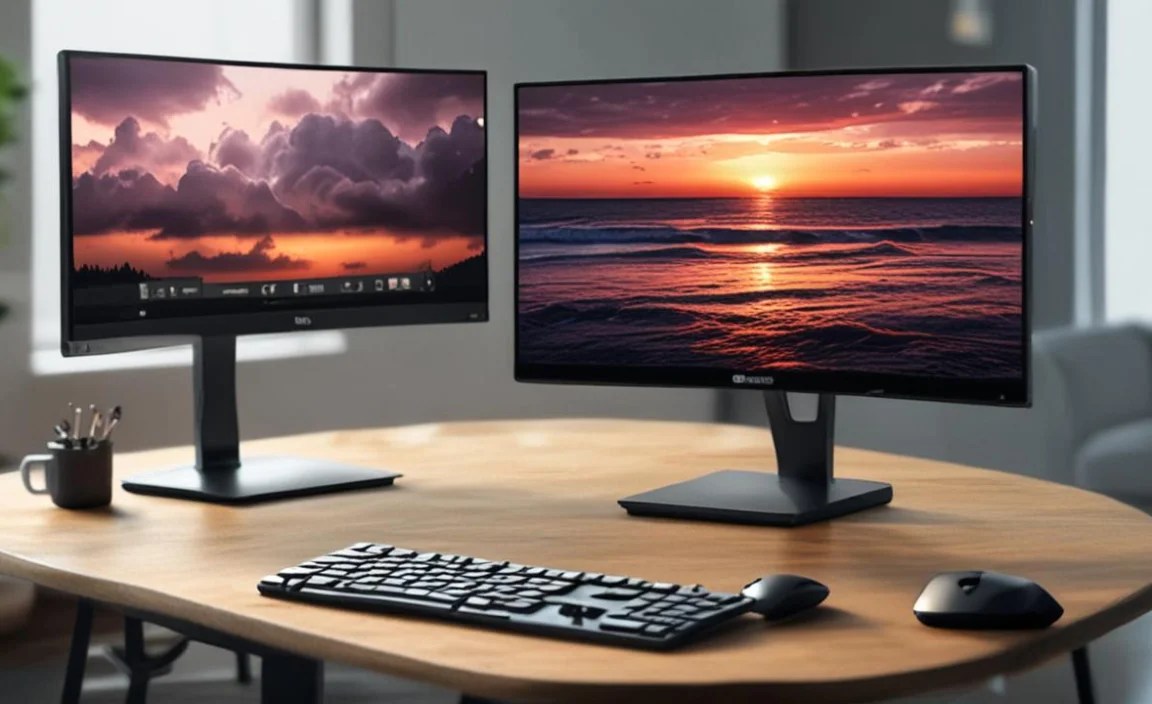
Before diving into the installation, it’s crucial to understand why you might need a specific driver. For most modern monitors, especially those adhering to industry standards like Plug-and-Play (PnP), the Linux kernel itself often provides sufficient generic drivers to allow basic functionality – displaying an image at a reasonable resolution.
However, dedicated drivers can unlock advanced features. These might include:
Color Calibration Presets: Optimized color profiles for specific uses like graphic design, photography, or video editing.
Advanced Brightness and Contrast Controls: Fine-tuning beyond the typical system settings.
Ergonomic Software: Features like auto-rotation or eye-saver modes that might require vendor-specific software.
Firmware Updates: Essential for bug fixes and improved performance.
The “canon monitor missing driver for Linux offline installer” problem often arises when attempting to access these advanced features or when a generic driver doesn’t fully recognize the monitor’s capabilities. This can lead to incorrect resolutions, unresponsive advanced settings, or even the monitor not being detected at all.
Strategies for Finding the Right Driver
When the automated system doesn’t offer a ready solution, a proactive search is necessary.
1. Consult Canon’s Official Support (with a Caveat):
While you might instinctively head to Canon’s website, it’s important to manage expectations. Canon, like many hardware manufacturers, primarily focuses its driver development on Windows and macOS. Official Linux drivers for monitors are rare. However, it’s still worth checking their support section for any documentation or firmware updates that might be platform-agnostic or offer clues. Look for sections related to “Downloads,” “Support,” or “Manuals” on the specific model page.
2. Leverage the Linux Community and Forums:
The strength of Linux lies in its community. If Canon doesn’t provide a driver, chances are a fellow Linux user has already encountered and solved the problem.
Distribution-Specific Forums: Start with the forums for your Linux distribution (e.g., Ubuntu Forums, Fedora Discussion, Arch Linux Forums). Search using your monitor model number and terms like “driver,” “install,” and “Linux.
General Linux Hardware Sites: Websites and communities dedicated to Linux hardware compatibility can be invaluable.
3. Explore Open-Source Projects:
Many hardware components, including display elements, are supported by open-source projects. Tools like `xrandr` (for Xorg) or Wayland’s display configuration tools can often manage display settings without proprietary drivers. The challenge here is if specific hardware features require proprietary firmware or software. In such cases, you might find community-developed tools or drivers that interact with the hardware at a lower level.
Employing the Offline Installer Approach

The quest for a “canon monitor missing driver for Linux offline installer” specifically points to a scenario where internet access is limited during the installation process, or where downloading large files from external sources is problematic.
1. Download Drivers on Another System:
The most straightforward approach is to download any relevant driver files, firmware, or configuration tools from another computer with internet access. You can then transfer these files via a USB drive or an internal network to your Linux machine.
2. Package Management Systems for Local Installs:
Once you have the downloaded files, how you install them depends on their format.
.deb files (Debian/Ubuntu based): You can install these locally using `sudo dpkg -i /path/to/driver.deb`. If dependencies are missing, you might need to run `sudo apt –fix-broken install` afterwards.
.rpm files (Fedora/CentOS based): Use `sudo rpm -ivh /path/to/driver.rpm` or `sudo dnf install /path/to/driver.rpm`.
Tarballs (.tar.gz, .tar.bz2): These often contain source code or pre-compiled binaries. You’ll typically need to extract them (`tar -xvzf /path/to/archive.tar.gz`) and then follow instructions in a `README` or `INSTALL` file, which might involve running `configure`, `make`, and `sudo make install`.
3. Vendor-Specific Tools (Rare for Monitors):
While less common for monitors compared to printers, some manufacturers might offer a generic driver installation utility that can be downloaded and run offline. Again, check Canon’s support pages diligently.
Troubleshooting Common Issues
Even with a driver, problems can persist.
Incorrect Resolution: After installing a driver, if your monitor’s native resolution isn’t available, re-run your distribution’s display settings tool. You might need to manually add the correct mode using command-line tools like `cvt` and `xrandr` (for Xorg).
Example:
“`bash
# Get modeline for a specific resolution and refresh rate
MODE_LINE=$(cvt 1920 1080 60 | awk ‘NR==2 {print $2}’)
# Add the mode to your display
xrandr –newmode $MODE_LINE
# Find the output name for your monitor (e.g., DP-1, HDMI-0)
OUTPUT=$(xrandr | grep ” connected” | awk ‘{print $1}’)
# Add the mode to the output
xrandr –addmode $OUTPUT 1920x1080_60.00
# Set the new mode
xrandr –output $OUTPUT –mode 1920x1080_60.00
“`
Driver Not Loading: Check system logs (`/var/log/syslog` or using `journalctl`) for errors related to your monitor or graphics card during boot-up.
* Firmware Issues: If the driver installation involves a firmware update, ensure the process is uninterrupted. A powered-off or interrupted firmware update can brick the device.
The “Effortless” Reality
Achieving an “effortless install” for a Canon monitor Linux driver hinges on the availability of a well-packaged, compatible driver. When such a driver exists and is easily accessible (perhaps even through your distribution’s package manager), the installation is indeed straightforward. However, the keyword phrase “canon monitor missing driver for Linux offline installer” suggests that this ideal scenario might not always be the case.
In these instances, “effortless” becomes a relative term, implying a well-planned and executed process rather than a completely automated one. By understanding your hardware, leveraging the Linux community, and carefully following installation procedures for downloaded files, you can overcome the challenges and ensure your Canon monitor functions optimally on your Linux system. Patience and a methodical approach are your greatest allies in navigating the world of hardware compatibility on Linux.